Medical disclaimer: This article is for general information only and is not medical advice. It does not diagnose, treat, or cure any condition. Talk with a qualified healthcare professional before changing your diet, exercise, or supplement routine, especially if you have a health condition, are pregnant, or take medication.
Say the word “biohacking” at a dinner party and watch faces change. Some people picture a tech founder in an ice bath. Others think of expensive gadgets, strict protocols, and a counter full of powders. No wonder so many curious beginners decide it’s not for them.
But strip away the marketing and the idea is surprisingly down to earth. Biohacking simply means making deliberate changes to your habits, testing them, and keeping what works for your body. That’s it. A person who moves their bedtime earlier, takes a walk after dinner, and notices they feel sharper is biohacking, whether or not they use the word.
This guide is a starting point. We’ll look at what’s worth your time, what can wait, and how to run your own small experiments without wasting money or taking risks.
The three levels of biohacking
It helps to think of biohacking as three layers, like a house. You wouldn’t buy furniture before the walls are up, and the same logic applies here.
Level one is the foundation. This is sleep, movement, food, light, and stress. It’s unglamorous, it’s free or close to it, and it’s where nearly all the benefit lives. Most beginners should spend months here.
Level two is fine-tuning. Once the basics are steady, you start tracking and adjusting: when you eat, when you train, how you wind down at night. Simple tools like a notebook or the phone you already own are enough.
Level three is the frontier. Supplements, cold exposure, extended fasting, advanced wearables, and lab testing live here. Some of it may be useful for some people, but it carries more risk, more cost, and often thinner evidence. It’s the last layer, not the first.
The mistake most beginners make is starting at level three because it’s the most exciting. Let’s start where the results are.
Level one: the foundation
Sleep comes first
If you could only change one thing, make it this. Sleep affects your mood, appetite, focus, and recovery, so improving it lifts almost everything else. The CDC says adults should get at least seven hours of sleep a night, and a large share of people fall short.
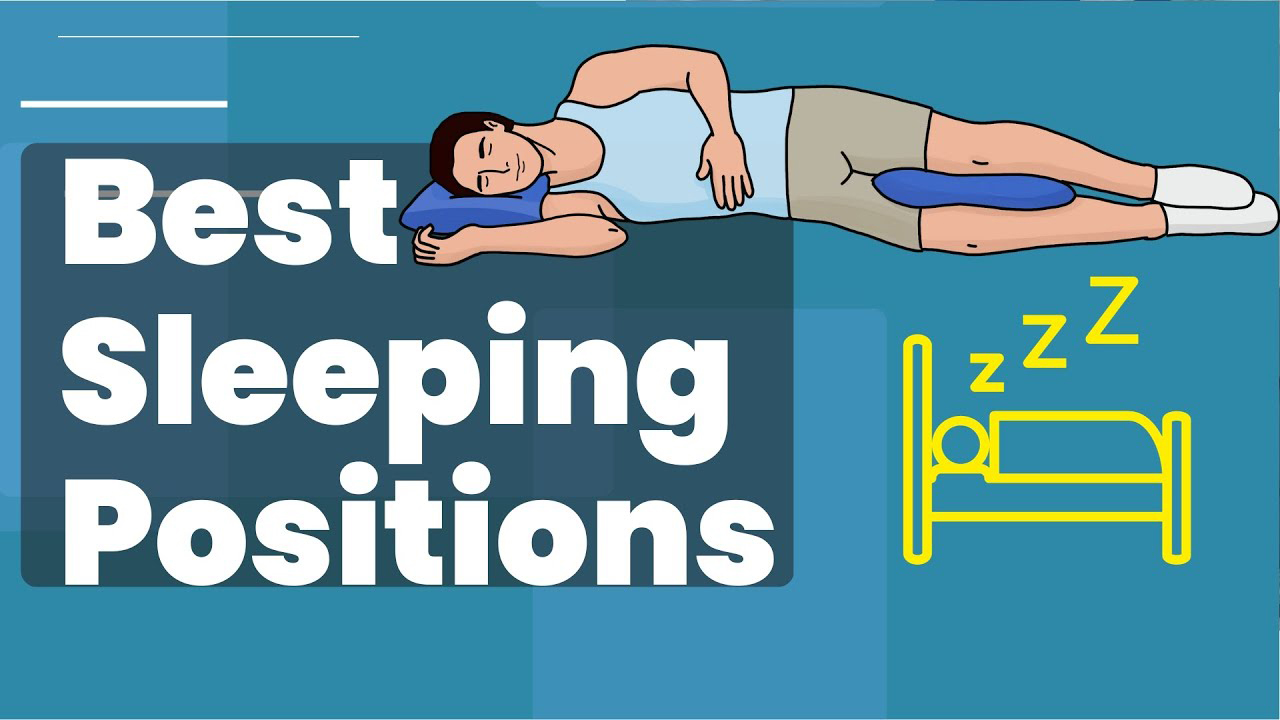
The basics still work best: a steady bedtime and wake-up time, a cool and dark room, and winding down away from screens. Even how you lie down can make a difference to comfort and how rested you feel, which we explore in What Are the Healthiest Sleep Positions for Your Heart and Overall Health?
Light and movement are free tools
Morning light helps set your body clock, and a short walk outside is the easiest way to get it. Movement itself doesn’t have to be fancy. The CDC suggests adults aim for about 150 minutes of moderate activity a week plus muscle-strengthening on two days, and brisk walking counts. If you want a ready-made plan for the first hour of your day, try Biohacking Your Morning Routine for More Energy.
Eat real food you can keep eating
The latest federal guidelines tell people to limit highly processed foods, refined carbohydrates, and added sugars and to prioritize protein at every meal. You don’t need a perfect diet. You need a pattern you can follow without misery. Protein is a good place to focus, and we explain the numbers, including a recent change in guidance, in How Much Protein Do You Really Need Per Day? If weight loss is on your mind, read The Complete Beginner’s Guide to Sustainable Weight Loss (Without Extreme Diets) too.
Give stress somewhere to go
Chronic stress quietly wears down sleep, mood, and appetite. You don’t need a retreat. A few minutes of slow breathing, a walk without your phone, or ten minutes of writing things down can all help. Choose something you’ll actually do on a bad day, not only a good one.
Level two: track, then adjust
Tracking is the “hacking” part. It turns a vague feeling into something you can learn from. But beginners often track too much and quit within a week.
Pick one number. Hours slept, daily steps, or an energy score from one to ten in the late afternoon are all good. A notebook works fine. A wearable can be useful, but it isn’t what makes you healthier. The habit is.
Once a few weeks of notes pile up, patterns appear. Maybe your energy dips on days you skip breakfast, or you sleep better after an evening walk. That’s valuable information, and it’s specific to you, which no generic advice can match.
How to run your first experiment
This is the part that separates biohacking from random self-improvement. Treat each change like a small test.
Start by choosing one habit, such as a daily ten-minute walk in morning light. Note your baseline for a few days: how you sleep and how you feel at 3 p.m. Then do the habit consistently for two weeks and change nothing else. At the end, compare your notes. If you feel better, keep it. If nothing changed, drop it or adjust it, and move on to the next one.
The discipline is changing one thing at a time. If you overhaul five habits at once, you’ll never know which one helped, and you’re more likely to burn out.
Level three: handle with care
Supplements, cold plunges, long fasts, and expensive devices get most of the attention online, but they’re a poor place for beginners. Supplements can interact with medications and aren’t regulated like drugs. Cold exposure can be risky for people with heart conditions. Extended fasting isn’t appropriate for everyone, including people who are pregnant, underweight, or managing certain medical conditions.
If you’re curious about any of these, talk to a doctor or registered dietitian first, and treat bold claims with healthy skepticism. A product that promises a miracle is usually selling something.
Common beginner mistakes
The most common is trying everything at once. Close behind is copying a celebrity’s routine without asking whether it suits your age, health, and schedule. Others include buying gadgets before building habits, ignoring symptoms because a trend says to push through, and expecting overnight changes. Biohacking is a slow game, and the people who benefit tend to be the consistent ones, not the extreme ones.
And one important reminder: biohacking is not a substitute for medical care. If you have persistent symptoms like constant fatigue, unexplained weight changes, or trouble sleeping that doesn’t improve, see a doctor.
Quick answers
Is biohacking safe? Basic habits such as sleep, movement, and balanced eating are generally safe for most people. More extreme methods carry greater risk, so check with a healthcare professional first.
Do I need expensive gadgets? No. A notebook and consistent habits will take you a long way.
How long until I notice results? It varies. Some people feel a difference within a couple of weeks. Give each change time and stay consistent.
What’s the best first step? Improve your sleep. It supports nearly every other goal on this list.
Where to go from here
You don’t need to do everything. Pick one habit from level one, start tomorrow, and let your own results guide what comes next.
When you’re ready for a more structured system for energy, sleep, and daily habits, take a look at our program Biohacking Power.
Medical disclaimer: This content is for informational purposes only and does not replace professional medical advice.