Medical disclaimer: This article is for general information only and is not medical advice. It does not diagnose, treat, or cure any condition. Talk with a doctor before changing your diet, exercise, or caffeine habits, especially if you have a health condition, are pregnant, or take medication.
Most of us treat the first hour of the day as something to survive. The alarm goes off, you reach for your phone, you stumble to the coffee maker, and by 10 a.m. you’re already running on fumes. Then you wonder why afternoons feel like wading through wet cement.
Here’s the encouraging part: you don’t need a cold plunge, a wearable, or a cabinet full of supplements to feel better in the morning. A handful of small, free habits, done in a sensible order, can change how your day starts. This guide walks through them, explains why they’re worth trying, and is upfront about where the evidence is strong and where it’s still thin.
If you’re new to this whole idea, our starter guide, Biohacking for Beginners, covers the basics. This article zooms in on mornings.
The morning is mostly decided the night before
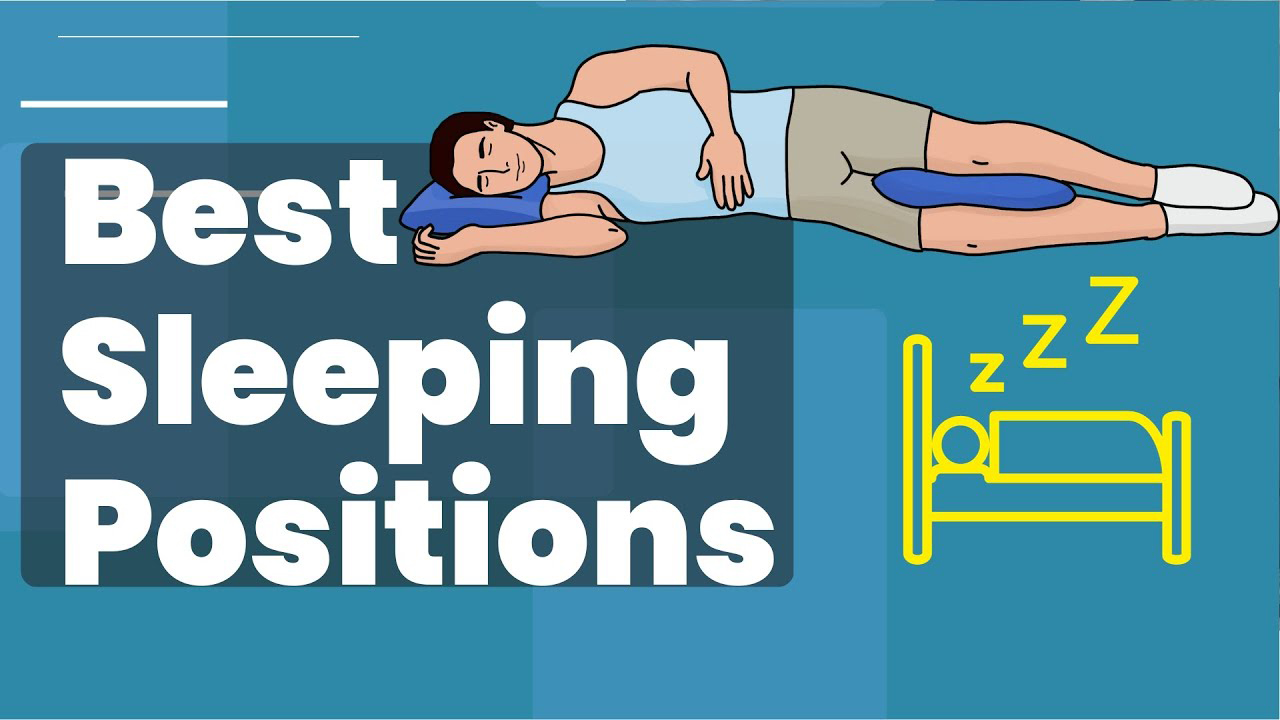
Before any routine, a reality check. If you slept five hours, no sunrise walk will fully make up for it. The most powerful morning habit is a decent night’s sleep, which means a fairly consistent bedtime, a cool and dark room, and less screen time late in the evening. Even your sleeping position can affect comfort and how rested you feel, which we cover in What Are the Healthiest Sleep Positions for Your Heart and Overall Health?
So treat everything below as a bonus on top of sleep, not a replacement for it.
Step one: get light in your eyes early
If you do only one thing from this list, do this one. Light is the main signal that tells your internal body clock what time it is, and the morning dose seems to matter most.
In a 70-day diary study of 103 adults, reported by PsyPost, people who spent time in the morning sun reported better sleep quality that night, while midday and evening sun showed no consistent link. A larger analysis of 1,762 adults, also covered by PsyPost, found that each extra 30 minutes of sunlight before 10 a.m. was associated with sleep that happened about 23 minutes earlier.
A fair caveat: these studies rely on self-reported data and show association, not proof of cause, and the first one was small. But the habit costs nothing and carries almost no downside, so it’s an easy experiment.
In practice, step outside within an hour or so of waking. Ten minutes is a good start. Take your coffee on the porch, walk the dog, or stand by an open window if the weather is bad. Cloudy days still deliver far more light than your indoor lamps. And don’t stare at the sun. Just be outside.
Step two: drink a glass of water
You’ve gone hours without a drink, so a glass of water first thing is a sensible reset. The evidence that water alone boosts energy is modest, but even mild dehydration can leave some people feeling foggy or sluggish, and it takes ten seconds. Put a glass by your bed the night before and the habit nearly runs itself.
Step three: move for a few minutes
You don’t need a full workout at dawn. A short walk, a few stretches, or some bodyweight squats is enough to get blood moving and shake off stiffness. The best option is the one you’ll still do on a rough Monday.
If you’d rather combine steps one and three, a ten-minute walk outside does both at once. It’s probably the most efficient morning habit there is.
Step four: eat some protein
Many people eat almost no protein until dinner, grabbing a pastry or just coffee in the morning. Moving some protein earlier in the day can help you feel fuller and steadier. Eggs, Greek yogurt, cottage cheese, tofu scramble, or leftover chicken all work. If you want to know how much you actually need, read How Much Protein Do You Really Need Per Day?
No need to overhaul breakfast. Adding one protein food to what you already eat is plenty.
Step five: be smart about caffeine
Coffee isn’t the enemy. For most healthy adults, up to 400 milligrams a day, roughly four to five cups of regular coffee, is not generally associated with dangerous effects, according to the FDA. The agency also notes that sensitivity varies from person to person. Pregnant people are usually advised to stay under 200 milligrams.
Two practical tips. First, notice when caffeine stops helping and starts hurting: jitters, a racing heart, or trouble sleeping are signs you’ve had too much or too late. Second, some people like to wait an hour or so after waking before their first cup. That’s a popular idea, but strong evidence for it is limited, so treat it as something to test on yourself, not a rule. A cutoff in the early afternoon is a more reliable way to protect your sleep.
What to skip (for now)
Cold showers, extreme fasting, and supplement stacks get a lot of attention. Some people enjoy them, but they’re not beginner basics. Cold exposure can be risky for people with heart conditions, and supplements can interact with medications, so talk with a healthcare professional first. Master the five steps above before adding anything more exotic.
A realistic 20-minute morning
Here’s how it might fit together on a normal weekday. You wake up, drink a glass of water, and head outside for a ten-minute walk in daylight. Back home, you make a breakfast with some protein and have your coffee with it. That’s it. About twenty minutes, no equipment, nothing to buy.
Don’t start with all five at once. Add one habit for a week, notice how you feel, and then add the next. Jot down your energy on a scale of one to ten each afternoon, and you’ll quickly see what’s actually working for you.
When low energy needs a doctor
Habits can help, but they can’t fix everything. If you’re exhausted despite good sleep, or if fatigue comes with other symptoms such as unexplained weight changes, shortness of breath, low mood, or loud snoring with daytime sleepiness, talk to a doctor. Persistent tiredness sometimes has a medical cause that a routine won’t solve.
Quick answers
How long until I feel more energetic? It varies. Some people notice a difference within a week or two of better light exposure and sleep consistency. Give each change time.
Do I need to wake up at 5 a.m.? No. A routine works best when it fits your real schedule. Consistency matters more than an early hour.
Is morning sunlight safe? A short time outdoors in the morning is generally fine for most people, but always protect your skin if you’ll be out for long, and don’t look directly at the sun.
Can I do this if I work nights? Yes, the idea is the same: get bright light and some movement soon after you wake up, even if that’s in the afternoon, and keep your sleep area dark.
Where to go from here
Pick one step from this guide and try it tomorrow. If you’d like a more structured system for energy, sleep, and daily habits, take a look at our program Biohacking Power.
Medical disclaimer: This content is for informational purposes only and does not replace professional medical advice.