
Best Supplements for Sleep and Recovery: What the Evidence Says
Medical disclaimer: This article is for general information only and is not medical advice. It does not diagnose, treat, or cure any condition. Talk with a doctor or pharmacist before taking any supplement, especially if you are pregnant or breastfeeding, have a health condition, take medication, or are giving anything to a child.
Walk down the supplement aisle at any store and you’ll find a wall of bottles promising deeper sleep, faster recovery, and calmer nights. It’s tempting to grab whatever has the nicest label. But when it comes to sleep, the honest answer to “what’s the best supplement?” is a little less exciting than the marketing: the evidence is mixed, some options help only specific people, and a few carry risks worth knowing about.
This guide walks through what research actually says about the most popular sleep supplements, who should be careful, and what is usually worth trying first.
Before you buy anything, check the basics
If you’re sleeping badly, a supplement is rarely the first thing to fix. The habits behind your sleep usually matter more: a consistent bedtime and wake-up time, a cool and dark room, less caffeine late in the day, and winding down away from screens. Morning daylight helps set your body clock too, which we cover in Biohacking Your Morning Routine for More Energy.
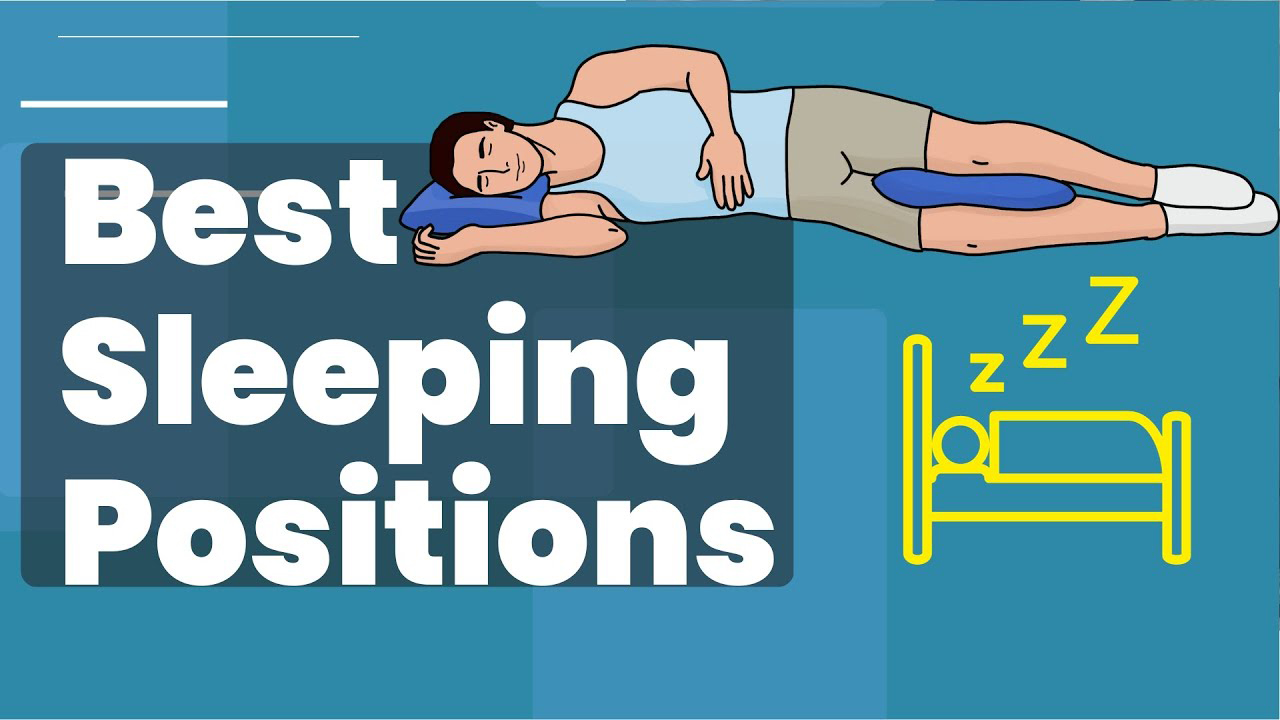
Even your sleeping position can affect comfort and how rested you feel. You’ll find more in What Are the Healthiest Sleep Positions for Your Heart and Overall Health? And if you’re new to this whole topic, start with Biohacking for Beginners.
Think of supplements as a possible small add-on, not a fix for a routine that’s working against you.
Melatonin: useful for some, overhyped for others
Melatonin is a hormone your brain makes in response to darkness, and it helps time your internal clock. Supplements are usually made in a lab. It’s one of the most popular sleep aids, but the research is more nuanced than the packaging suggests.
According to the National Institutes of Health, melatonin may help with certain situations, such as jet lag and delayed sleep-wake phase disorder, where someone’s body clock runs much later than normal. For chronic insomnia, though, the same source notes that major medical guidelines have found there isn’t enough strong evidence on effectiveness or safety. The Mayo Clinic adds that melatonin might slightly shorten the time it takes to fall asleep, while its effects on sleep quality and total sleep time aren’t clear.
In other words, melatonin may nudge your timing, but it’s not a powerful sleeping pill.
Possible side effects include headache, dizziness, nausea, and daytime drowsiness. Mayo Clinic also warns against driving or using machinery within about five hours of taking it.
Who should be especially careful: melatonin can interact with several types of medication, including blood thinners, blood pressure drugs, diabetes medicines, and seizure medications. People with certain conditions should check with a doctor first. For children, NIH advises working with a health care provider before giving melatonin, since there is a lot we still don’t know. The American Academy of Sleep Medicine has also recommended against its use in people with dementia.
Magnesium: promising, but not proven
Magnesium is a mineral involved in hundreds of processes in the body, including how your muscles and nervous system relax. That’s why it’s popular as a sleep aid, and why you’ll see it all over social media.
The research is still thin. A 2023 systematic review found an association between magnesium levels and sleep quality, but its authors said more research is needed. Guidance from the American Academy of Sleep Medicine doesn’t currently recommend magnesium as a sleep supplement.
There’s a practical point many people miss. The NIH Office of Dietary Supplements sets an upper limit of 350 milligrams a day for adults for magnesium from supplements and medications, not counting the magnesium in food. Going above that can cause diarrhea, nausea, and cramping, and extremely high intakes can affect heart rhythm. Magnesium can also interact with some medicines, including certain antibiotics and osteoporosis drugs, and anyone with kidney problems should ask a doctor before taking it.
The simpler path is often food. Legumes, nuts, seeds, whole grains, leafy greens, and dairy all provide magnesium, and NIH notes that magnesium from food isn’t a concern for healthy people the way high-dose supplements can be.
Other popular options: thinner evidence
You’ll also see valerian, L-theanine, glycine, ashwagandha, and CBD products marketed for sleep. For most of these, the research is limited, mixed, or based on small studies, and product quality can vary widely between brands. Some can interact with medications or cause side effects of their own. We don’t recommend them as a first step, and if you’re curious, a pharmacist or doctor can tell you whether a specific one makes sense for you.
Remember, too, that supplements aren’t regulated like medicines. That makes it more important to choose carefully.
What about recovery?
People often lump sleep and recovery together, and for good reason: much of your body’s repair work happens while you sleep. So the single best recovery “supplement” is, again, good sleep.
Beyond that, eating enough protein across the day supports muscle repair, and getting a solid serving at each meal is simpler than counting every gram. We break down the numbers in How Much Protein Do You Really Need Per Day? Staying hydrated and managing stress help as well. Most of the sleep supplements above haven’t been shown to speed up recovery in any meaningful way.
If you decide to try a supplement
Here’s a safer way to approach it. First, talk with a doctor or pharmacist, especially if you take any medication or have a medical condition. Choose products that have been tested by an independent third party, which is often shown by a seal from groups such as USP or NSF. Try one thing at a time, for a limited trial, so you can tell whether it helps. Stay within recommended limits, don’t combine supplements with alcohol or sleep medications unless a professional approves, and stop if you notice side effects.
And don’t use a supplement to cover up a problem that deserves attention.
When to talk to a doctor instead
If trouble sleeping lasts for weeks, or comes with loud snoring, gasping at night, or heavy sleepiness during the day, see a healthcare professional. These can be signs of sleep apnea or another condition that supplements won’t fix. Persistent insomnia is also very treatable, and a doctor can suggest approaches that have stronger evidence.
Quick answers
What is the best supplement for sleep? There isn’t a single best one. Melatonin has the clearest evidence for jet lag and certain body-clock problems, while the evidence for most others is limited. Habits come first.
Is melatonin safe to take every night? Short-term use is generally considered safe for many adults, but long-term effects aren’t well understood. Talk with your doctor if you plan to use it regularly.
Can I get enough magnesium from food? For many people, yes. Beans, nuts, seeds, whole grains, and leafy greens are good sources.
Are natural sleep aids always safe? No. Natural doesn’t mean risk-free, and supplements can interact with medications.
Where to go from here
If you’d like a more structured approach to sleep, energy, and everyday habits, take a look at our program Biohacking Power.
Medical disclaimer: This content is for informational purposes only and does not replace professional medical advice.